

Report of the Second Session of the Inquiry and Development Solutions Program
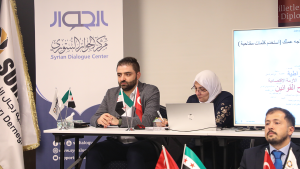
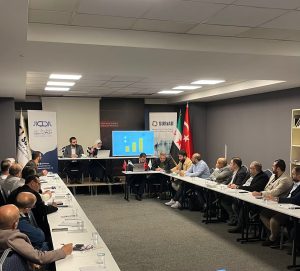
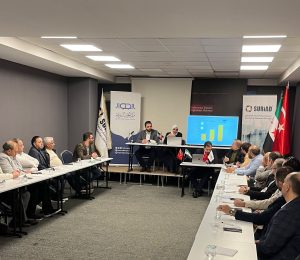
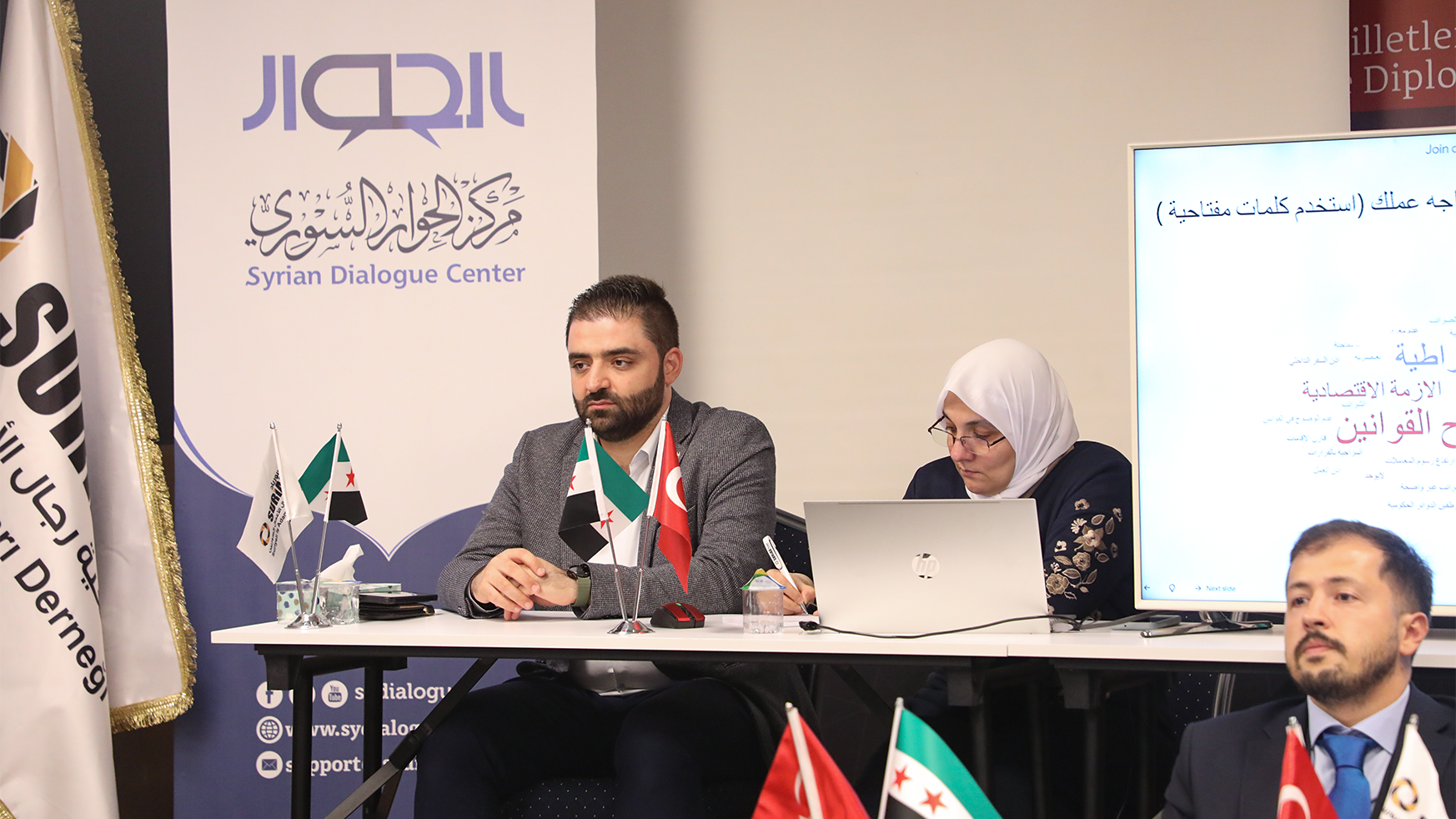
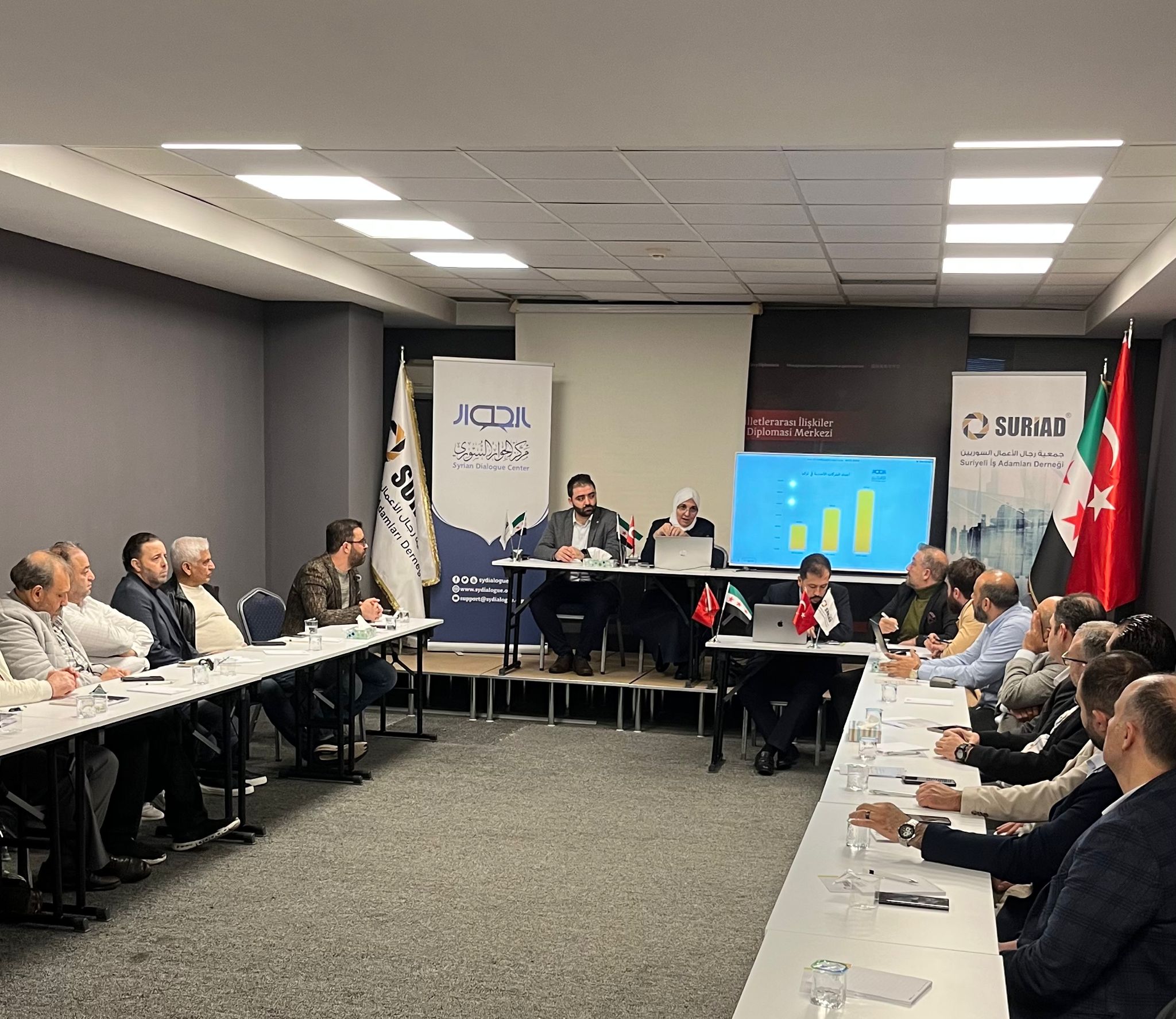
SURIAD held the second session of the Syrian Business Owners’ meeting series, in collaboration with UNHCR and the Syrian Dialogue Center, as part of a program designed to deepen the understanding of the Syrian investors’ landscape.
The session focused on analyzing the legal and economic challenges within the Turkish business environment, in addition to examining the barriers that limit access to the Turkish market.
The session, moderated by Mr. Mahmoud Haj Ali — a researcher in international relations and a member of the diplomatic relations committee at MUSIAD — featured extensive discussions centered on the challenges faced by business owners in recent years.
These challenges included legal regulations, administrative procedures, banking transactions, and the difficulties associated with integrating into the local market.
The discussion provided a clearer understanding of the obstacles affecting business stability and the prospects for expansion.
Pillar One: The Current Challenges Facing Syrian Investors in Türkiye
The discussion addressed the key challenges currently facing Syrian investors in Türkiye, foremost among them the impact of the Turkish economic climate, including price fluctuations and rising operational costs — factors that directly affect companies’ ability to plan and sustain their activities.
Participants also highlighted issues related to work permits and governmental procedures, which often involve lengthy or complex steps.
In addition, tax-related matters emerged as a significant area requiring close attention to ensure compliance and maintain professional stability.
Pillar Two: Key Legal Challenges — Expert Input Turkish Lawyer Nihat Yinaç (Nihat Yinanç)
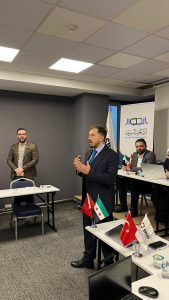
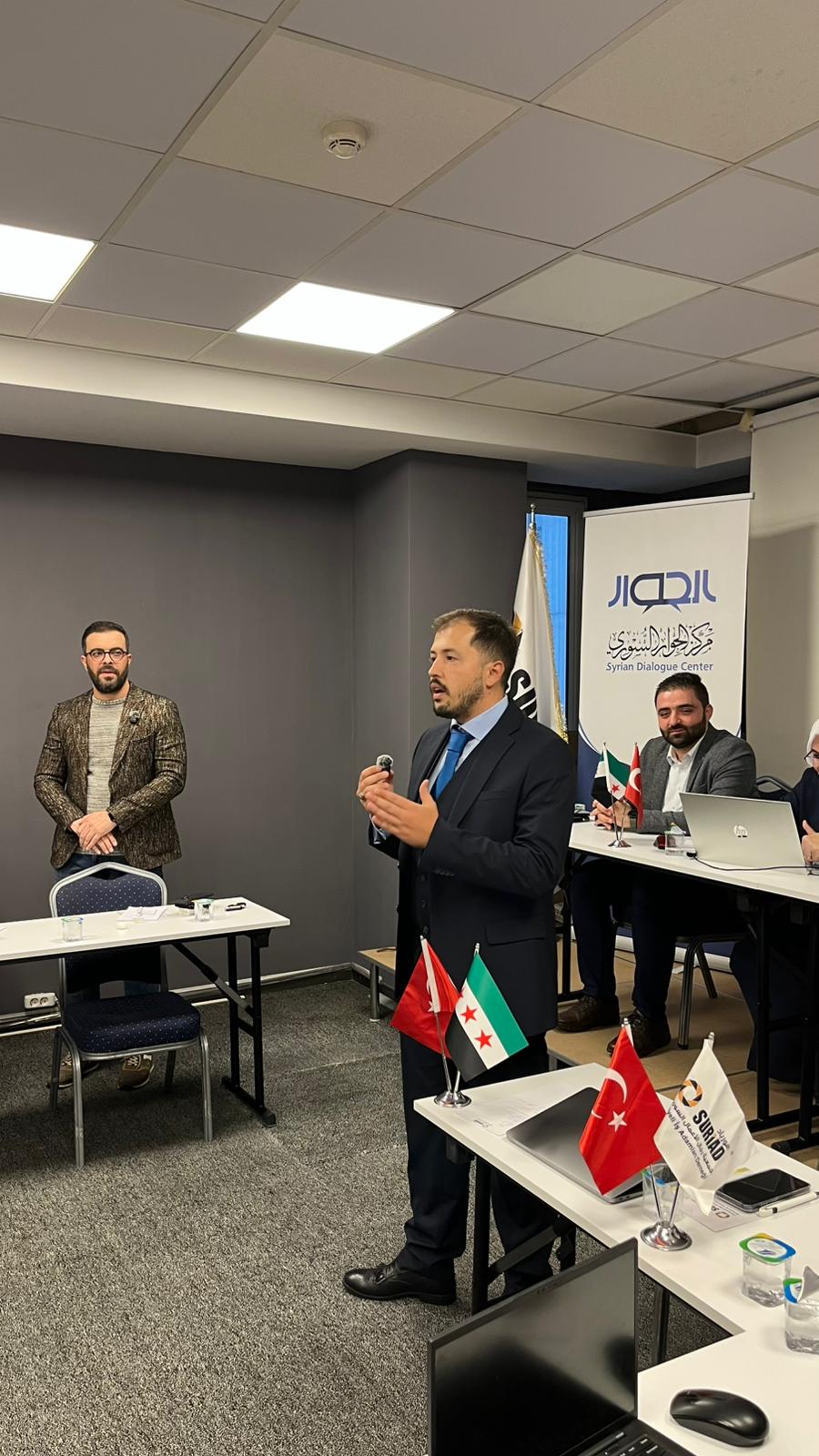
The legal expert provided a structured explanation of the most common issues encountered by foreign investors—particularly Syrians—such as errors in company establishment, weak legal documentation of contracts, tax-related complications, and the importance of continuous compliance.
The session also included an open Q&A segment, allowing participants to present real cases and receive practical, applicable solutions.
The expert further emphasized the importance of conducting regular legal reviews to ensure that business operations remain aligned with evolving regulations, and highlighted the need for clear, well-structured contracts that define the details of commercial relationships and reduce potential risks.
He also noted that many common problems can be avoided through early legal consultation before making decisions related to partnerships, expansion, or changes to a company’s legal structure.
Pillar Three: Barriers to Entering the Turkish Market
Participants discussed the challenges that hinder effective access to Turkish consumers, including limited access to local sales channels and a noticeable gap in understanding the market’s structure and consumer behavior.
The session also highlighted the limited number of partnerships with Turkish companies, which makes expansion within the local market significantly more complex compared to focusing on export opportunities.
Several participants added that there is a pressing need to strengthen visibility within the Turkish market by developing more suitable marketing channels, improving product presentation, and building greater consumer trust through offering services and customer support in Turkish.
Pillar Four: Marketing Mistakes — Expert Input Turkish Marketing Expert Taha Yasin Toraman
The marketing expert outlined the key mistakes that limit the ability of Syrian companies to grow and gain traction in the Turkish market, foremost among them weak visual identity and unclear messaging directed toward the Turkish consumer, in addition to choosing unsuitable marketing channels or relying on traditional methods that do not align with the dynamics of the local market. He also noted that the lack of competitor analysis and insufficient understanding of the target audience often lead to weak marketing outcomes.
He further stressed the importance of adopting tailored, Turkish-language content, and improving the way products and services are presented, and relying on more professional digital marketing tools and techniques, emphasizing that these steps form a fundamental entry point toward strengthening presence and credibility within the Turkish market.
Session Outcomes: Key points that form a foundation for business development
The session resulted in identifying a set of practical points that can help business owners improve their operational environment and make more stable, well-informed decisions, most notably:
:
- – The need to simplify legal and administrative procedures by gaining a clearer understanding of the requirements for work permits and governmental processes.
- – Organizing companies’ tax status and ensuring full compliance to avoid repeated issues.
- – Strengthening presence in the Turkish market by improving brand identity and tailoring marketing messages to suit the local consumer.
- – Enhancing relationships and partnerships with Turkish companies to increase opportunities for expansion and integration into the market.
- – Applying the legal and marketing insights presented during the session to adjust business practices and correct common mistakes.






Comments